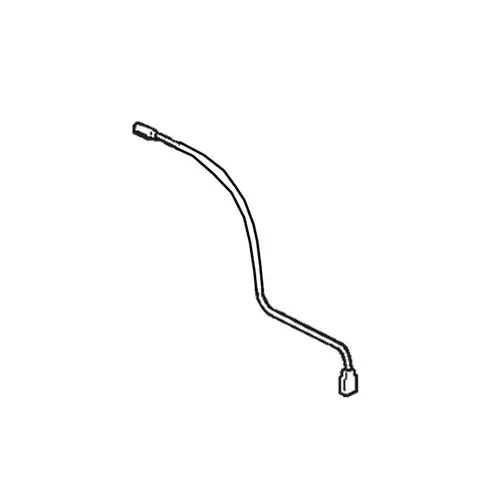
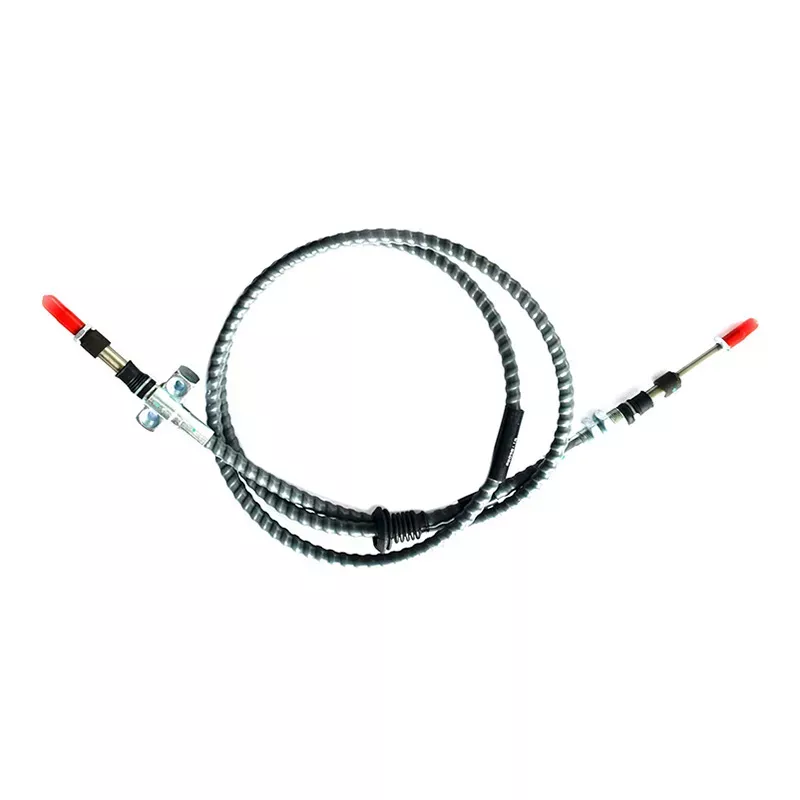
When your range control cable starts sticking or won’t shift properly between ranges, you know how frustrating it can be – especially when you’re trying to match ground speed for planting or need to shift from field to road gear. This replacement range control cable restores smooth, precise shifting between your transmission ranges, getting you back to work without the wrestling match.
What You’re Getting
- Heavy-duty black outer casing that resists kinking and wear from daily use
- Pre-stretched inner cable wire that maintains proper tension without getting sloppy over time
- Weather-sealed ends that keep moisture out and prevent the corrosion that kills cables
- Flexible design that handles tight routing around hot engine components without binding
Built for Real Farm Work
Your TSA series or T6000 Delta/Plus New Holland packs serious power – these 100-135 HP tractors are the backbone of many mid-to-large farming operations. Whether you’re pulling a field cultivator in low range, cruising between fields in high range, or need that perfect speed for planting corn, the range selector is constantly in use. A sticky or broken cable leaves you stuck in one range or fighting to shift when you need it most.
Made to Last
This isn’t just any generic cable – it’s engineered specifically for the demands of agricultural use. The black outer housing uses a special polymer blend that stays flexible in cold weather but won’t soften and kink when routed near hot engine components. Both ends feature heavy-duty fittings that lock securely into your linkage without the play that develops in worn cables.
Installation Notes
Installation typically takes 30-45 minutes and this is a direct replacement for your original cable. Before you start, take a photo of how your old cable routes – it’ll save head-scratching later. Use some cable ties to secure the new one away from hot or moving parts, and while you’re under there, check your shift linkage bushings since worn bushings can make even a new cable feel sloppy.