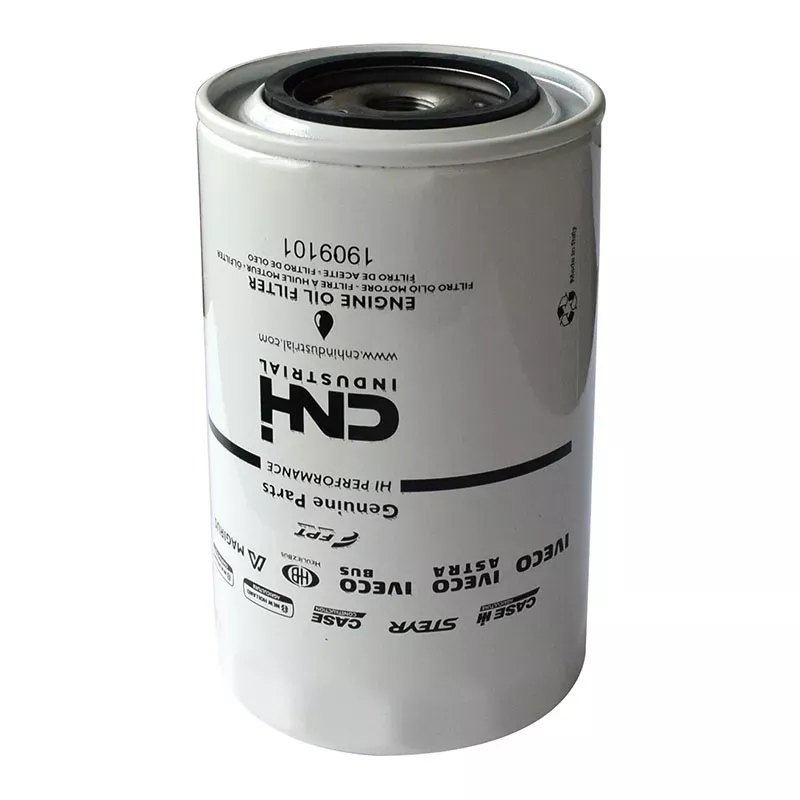
When your engine starts sounding a little rough or you notice the oil pressure gauge acting up, there’s a good chance your oil filter needs attention. Clean oil is the lifeblood of your tractor’s engine, and this filter makes sure dirt, metal particles, and other contaminants stay out of the places that matter. A clogged or worn filter can lead to expensive engine damage that’ll keep you out of the field when you need to be working.
What You’re Getting
- Full-flow design that filters all the oil circulating through your engine
- Sturdy construction that handles pressure changes and temperature swings without failing
- Anti-drain back valve keeps oil in the engine when you shut down, so you’ve got instant lubrication on startup
- Direct replacement that threads on just like the original—no modifications needed
Built for Real Farm Work
This filter handles a wide range of workhorses from Ford New Holland’s utility series like the TL models, along with Fiat tractors from the 66, 76, 86, 90, and 94 series. These tractors see everything from loader work and cultivation to hay operations and general farm maintenance. Whether you’re running a compact utility tractor or a larger row-crop machine, this filter keeps the engine oil clean when you’re putting in long days.
Made to Last
Farm engines work hard in dusty, demanding conditions, and this filter is built to match that environment. The filtration media captures harmful particles while maintaining proper oil flow, and the robust housing stands up to vibration and the pressure cycles that come with varying engine loads.
Installation Notes
Change this filter with every oil change—typically every 200-250 hours or as your manual specifies. Apply a thin coat of clean oil to the gasket before installation, then hand-tighten three-quarters turn after the gasket contacts the mounting surface. Over-tightening can damage the gasket and cause leaks, so resist the urge to really crank it down with a wrench.