
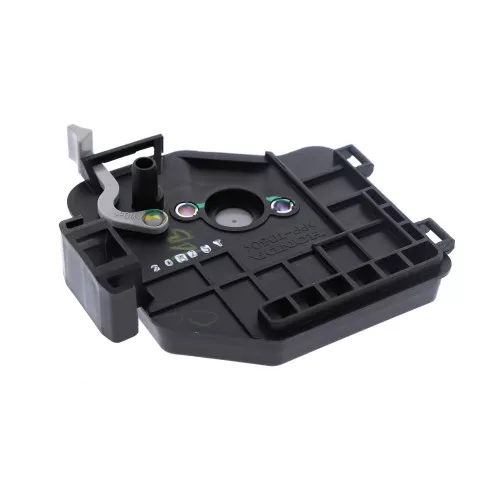
If your cab fan only works on high speed or quits working altogether, you know how frustrating it can be when you’re trying to stay comfortable during long days in the field. When this resistor fails – usually from years of heat buildup or corrosion – you lose that flexibility. Most commonly, the lower speed settings fail first, leaving you with only high speed that sounds like a jet engine and makes conversation impossible. This replacement resistor gives you back the variable fan control that makes your cab livable again.
What You’re Getting
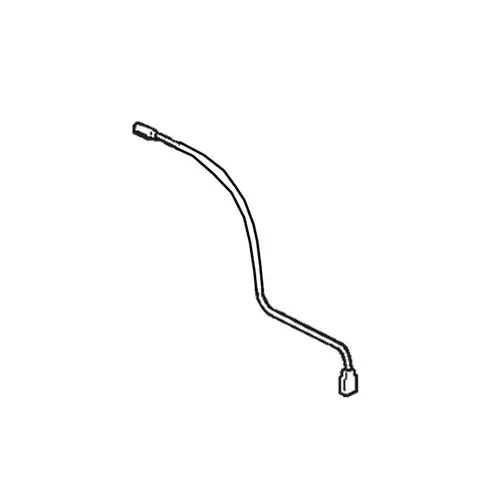
- This resistor module is what gives you variable fan speeds by controlling how much voltage reaches the blower motor – no more being stuck with hurricane-force winds or nothing at all
- This replacement uses heavy-duty resistor elements designed to handle the continuous current draw of agricultural blower motors. Unlike cheap universal resistors that burn out quickly, this one’s built specifically for the demands of tractor cab service where the fan might run for 10 hours straight
- Direct replacement that plugs right in with the original wiring connector
- This replacement uses heavy-duty resistor elements designed to handle the continuous current draw of agricultural blower motors for long-lasting performance
Built for Real Farm Work
These classic John Deere tractors were the workhorses of their day, from the versatile 40 series utility models to the powerful 8000 series four-wheel drives. Whether you’re running a 2040 for chore work, a 4450 in the field, or an 8640 pulling heavy tillage equipment, proper climate control keeps you productive and comfortable during those marathon days of planting, cultivating, and harvest.
Made to Last
Blower resistors live in a harsh environment. They’re constantly converting electrical energy into heat to reduce fan speed, all while sitting in the airstream that can carry moisture and debris. The resistor coils gradually burn out from thermal stress, or corrosion attacks the connections. This replacement is built to handle those conditions season after season.
Good to Know
Replacing a blower resistor is typically one of the easiest electrical repairs you’ll do. The resistor usually mounts in the blower housing where airflow helps cool it – often behind the glove box or under the dash. The old resistor typically unplugs with a multi-wire connector and removes with two or three screws. Pro tip: if your resistor failed prematurely, check for a restricted cabin air filter. Reduced airflow makes the blower motor work harder, drawing more current through the resistor and shortening its life.




![[3 Microfiber Mop Replacement Heads] Mop Bucket Set, Spin Mop And Bucket And Wringer Set, Bathroom Mop Bucket, 360° Spin Mop Bucket System With 3 Microfiber Mop Replacement Heads And 61in Stainless Steel Adjustable HandleUpgrade Black Color](https://www.discountprecisionfittings.com/wp-content/uploads/2026/10/3-microfiber-mop-replacement-heads-mop-bucket-set-spin-mop-bucket-wringer-set-ba.webp)