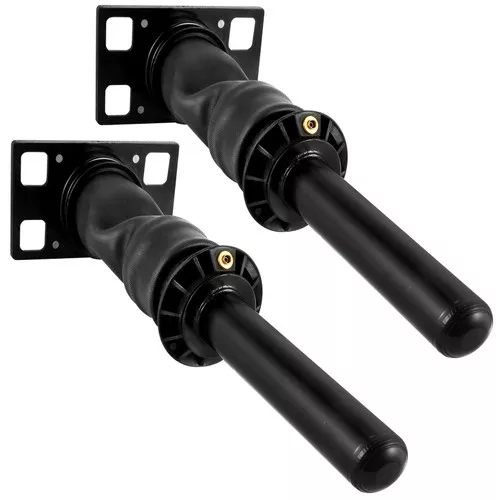
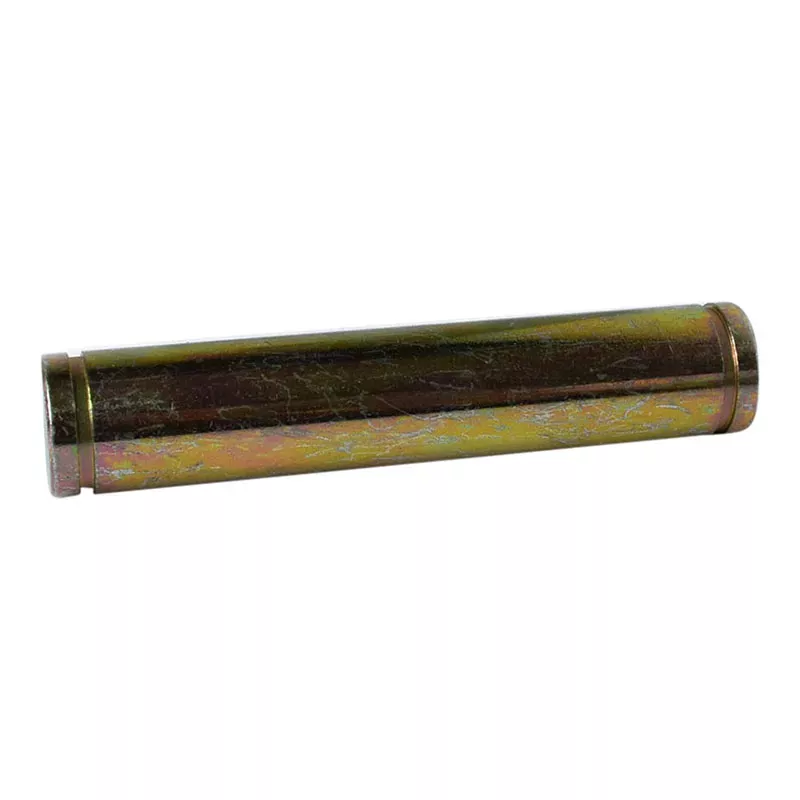
There’s nothing worse than having your implement wander sideways when you’re trying to maintain a straight line, especially when you’re working on slopes or in tight spaces. When stabilizers get worn or damaged, your implements start wandering and won’t stay where you set them, leading to uneven field work and unnecessary stress on your tractor’s lifting system. This automatic stabilizer pin keeps everything locked in place, so your three-point hitch implements stay exactly where you need them.
What You’re Getting
- Direct replacement pin that eliminates side-to-side implement movement
- Heavy-duty construction designed to handle the constant stress of field operations
- Automatic operation means consistent performance without manual adjustments
- Precision-engineered to maintain proper implement alignment during field work
- Durable materials resist wear from constant adjustment and field conditions
Built for Real Farm Work
This stabilizer pin is engineered for the wide range of John Deere tractors that handle everything from pasture mowing to heavy tillage work. Whether you’re running a 6400 with a rotary cutter that needs to stay centered, operating an 8320R pulling a heavy cultivator, or using your 6M series for precision planting where implement alignment affects seed placement, this pin keeps your equipment tracking straight. The bracket provides secure mounting that won’t work loose from vibration, while the stabilizer mechanism maintains proper implement positioning even when working on uneven ground or making tight turns.
Made to Last
This stabilizer assembly is engineered to handle the constant stress and adjustment that 3-point hitch systems experience during normal farm operations. The pin is built to resist the wear that comes from frequent use and the side loads that implements create during operation, ensuring your three-point hitch system continues to work precisely season after season.
Installation Notes
Installation typically involves removing the old stabilizer components and mounting the new assembly using existing bolt holes and connections. Make sure to adjust the stabilizer properly for your implement’s width and weight – too loose and the implement will wander, too tight and you’ll stress the hitch components unnecessarily. Test the adjustment with your implement attached to make sure everything moves smoothly through the full range of hitch operation.